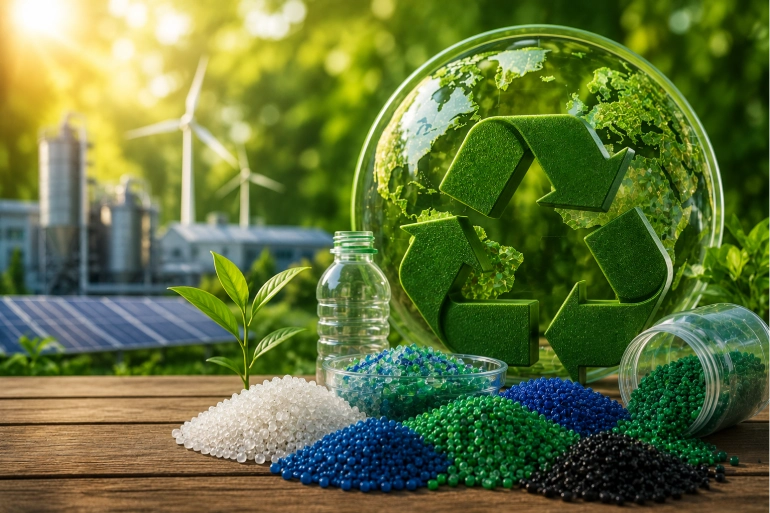
The conversation around plastics has changed significantly over the past decade. Today, the industry is not only focused on manufacturing but also on creating smarter, more sustainable solutions that reduce environmental impact while supporting economic growth.
Modern plastic manufacturers are investing heavily in recycled materials, biodegradable polymers, and energy-efficient production processes. These innovations help reduce waste, lower carbon emissions, and improve resource efficiency throughout the product lifecycle.
Recycling technologies have also advanced considerably. Mechanical recycling, chemical recycling, and closed-loop manufacturing systems allow businesses to recover valuable materials and transform waste into new products. These processes contribute to a circular economy where plastics remain valuable resources rather than disposable materials.
Businesses across industries are also choosing lightweight plastic materials because they improve fuel efficiency in transportation, reduce shipping costs, and require less energy during manufacturing. This demonstrates that sustainable plastics involve not only recycling but also designing products that deliver long-term environmental benefits.
Collaboration is essential for achieving sustainability goals. Manufacturers, suppliers, recyclers, and buyers must work together to promote responsible production and consumption. Digital platforms like PlastixHub make these collaborations easier by connecting businesses that share a commitment to innovation and sustainable practices.
The future of plastics depends on continuous innovation, responsible manufacturing, and industry-wide collaboration. Companies that embrace these principles will not only contribute to a cleaner environment but also gain a competitive advantage in an increasingly sustainability-focused marketplace.