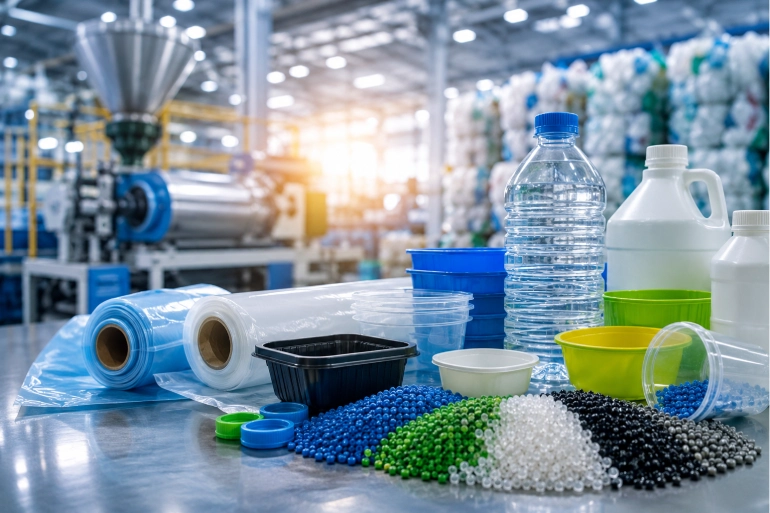
The plastics industry is evolving faster than ever before. With advancements in material science, digital manufacturing, automation, and sustainability, businesses are discovering new opportunities to innovate and expand. From automotive and healthcare to construction, electronics, and packaging, plastics continue to play a vital role in modern industries.
One of the biggest transformations is the adoption of smart manufacturing technologies. Manufacturers are integrating Industry 4.0 solutions such as IoT-enabled machinery, AI-driven quality control, and real-time production monitoring. These technologies improve operational efficiency, reduce waste, and enhance product quality while lowering production costs.
Sustainability has also become a major focus across the global plastics sector. Companies are investing in recyclable materials, biodegradable alternatives, and advanced recycling technologies to minimize environmental impact. Circular economy initiatives are encouraging manufacturers to design products that can be reused, recycled, and repurposed, creating long-term value for both businesses and consumers.
The demand for customized plastic components is also increasing. Industries now require specialized polymers, precision molding, and lightweight materials tailored for specific applications. This shift has opened new business opportunities for manufacturers capable of delivering innovative and high-quality products.
Digital marketplaces like PlastixHub are helping businesses adapt to these changes by providing a platform where manufacturers, suppliers, and buyers can connect efficiently. Companies can showcase their products, discover new markets, and build valuable partnerships within a dedicated plastics ecosystem.
As technology continues to evolve, businesses that embrace innovation, sustainability, and digital transformation will be well-positioned to succeed in the future of the plastics industry.